
Table of Contents
ToggleINTRODUCTION
If you want to start trail running, it will not be a difficult task for you because this outdoor activity can be started with simple trail running gear, and you do not need to learn any special skills. All you need to do is organize a few essential things, including running shoes, weather-appropriate clothes, water storage, and a smartwatch. Thereafter, you need to choose a trail in your nearby area and go out to enjoy trail running. It is a very healthy outdoor activity for adults. As you become more proficient in it, you will love the trails, which are more varied and difficult. This will make your trail running more attractive and enjoyable. All you need to do is keep updating your trail running gear so that you can enjoy it and stay safe. This article will help you choose good trail running equipment.
- Select a Trail
- Running Shoes
- Proper Clothing
- Learn some trail running basics.
Trail Running Shoes
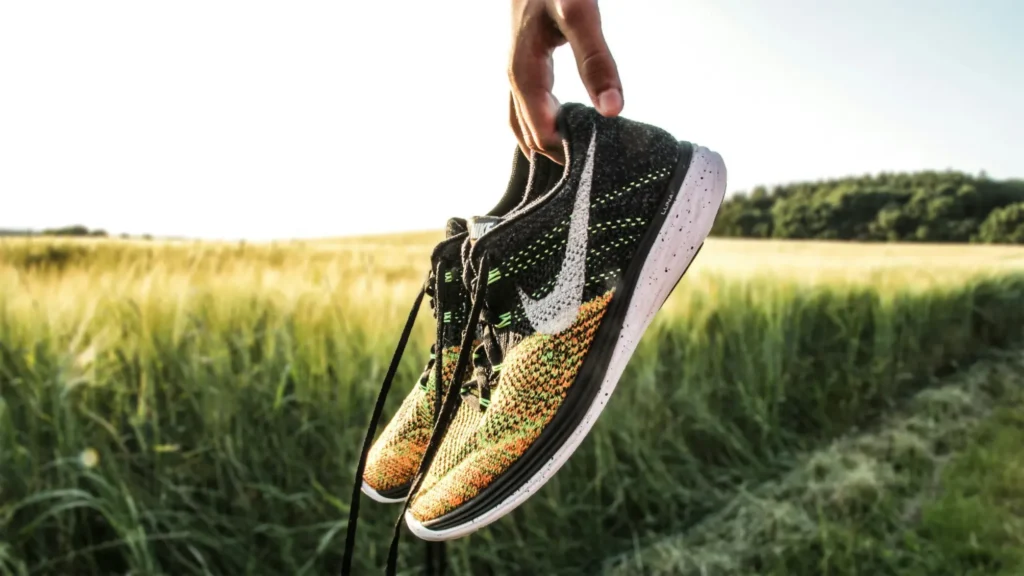
When you run on a natural trail, the chances of injuries are high compared to simple roads or paved trails of local parks. A good and reliable pair of trail running shoes is very important for your safe and good running experience. While selecting shoes for trail running consider the difficulty, length, and weather of trail. The high and reliable strength, grip, and cushioning of your shoes boost your confidence and performance while running on natural trails.
There are many different types of trail running shoes that you can choose based on your needs, preferences, and experience. As we mentioned earlier your priorities should be strength, grip, and good cushioning while selecting shoes for your trail running gear, Some of the important features that you should consider are:
Traction and Grip:
Trails can be rough, muddy, or rocky. The soles of the shoes should be made of good materials, and the lugs should be deep so that you have a good grip while running.
Support:
The midsole of your shoe supports you during the run. Your feet stay comfortable when you run on uneven surfaces. Therefore, the sole of your shoes should absorb most of the impact and keep you comfortable.
Durability:
The shoes should be made of sturdy materials from a reputable shoe manufacturer. So that you can run with confidence.
Tips:
If you plan to trail run in areas with wet weather or heavy rainfall, your shoes should also be waterproof.
Before going trail running, make sure to try on your shoes. To avoid blisters, shoes should fit your feet perfectly, neither too loose nor too tight.
Hydration Plan
Running on natural and hilly trails demands lots of stamina and energy. You need to ensure an adequate supply of water, electrolytes, and snacks for energy because while running, your body’s water and electrolyte storage constantly decrease. Dehydration or excessive electrolyte depletion can lead to dizziness, muscle fatigue, pain, or even a medical emergency.
During trail running, maintaining your body fluid levels and energy is critical for navigating through natural trails safely. Your hydration plan for trail running depends on the distance, difficulty, and physical needs of your body. If you plan on a short trail run, a bottle of water and some energy snacks will be enough for you. You can use a small bag that you can strap to your waist or shoulders. This can easily hold some of your medicine, keys, money, snacks, etc.
If you have a long trail running plan that lasts all day, we recommend that you prepare a good hydration pack. In which you can carry enough water, clothes, food, medicines, and some snacks. The size and design of your bag must be running-specific so that it doesn’t cause any problems while running. A narrow design allows you to freely use your arm and leg muscles while running.
Clothing for Trail Running
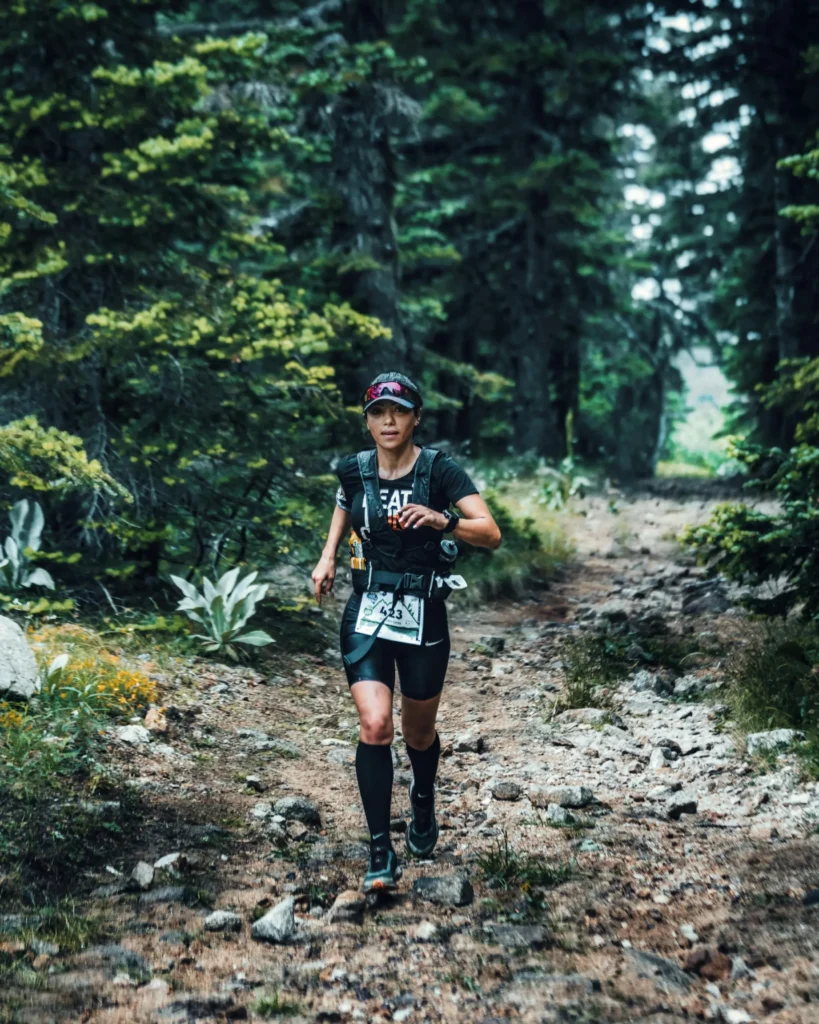
Natural trails are unexpected, so you have to arrange your clothing according to trail weather, distance, and difficulty. Appropriate clothing will help you to keep yourself dry and safe from injuries. This will enhance your self-confidence and let you enjoy the magic of nature.
Choose clothes made of synthetic fibers for your trail running gear instead of cotton. Your clothes should be water-wicking. Dividing your clothes into three layers will help you to be safe and healthy during the run.
- 1st Layer: A body-fitting, sweat-wicking shirt to maintain body temperature
- 2nd Layer: A lightweight fleece or long-sleeve shirt for warmth in cold conditions
- 3rd Layer: A breathable, waterproof upper to shield against wind and rain.
You can add or subtract layers according to the weather conditions. During long runs, when your body temperature rises, you can reduce the layers and add them again when necessary. This way, your performance will not be affected. Use running shots for warm weather and tights for cooler. Avoid cotton socks to protect your feet from blisters. Use hats, caps, sunglasses, and gloves according to your choice or need. If the trail is mostly covered by trees, that’s fine, but if you have to go to the top of a hill or run in direct sunlight, you’ll need good sunscreen and a hat.
Basic Tools
A watch is a basic tool for any outdoor activity. In trail running, you can use a simple watch or even a smartwatch that tells you your speed, distance, heart rate, or location. If you are running on a trail that is entirely new to you with a simple watch, you will need to bring a map, compass, or GPS.
If you like to run early in the morning or late at night, having a flashlight is a must. Even when running during the day, there are areas on the trail that are very dense, and a flashlight will come in handy there. First aid is essential in case of injury or medical need while running on the trail. Therefore, it is important to keep a first aid kit with you. Kit must have bandages, antibiotics, ointments, and painkillers.
Trail Selection

If you are a regular runner, then it’s okay for you to select a nearby natural trail that is short and relatively less difficult, then gradually increase the difficulty and length of the trail. Starting trail running as a beginner on a natural trail is difficult because the terrain and weather of a natural trail put a lot of pressure on your muscles and joints. So directly starting from a natural trail is not a suitable option; choose local dirt roads or park trails to get your body ready for harder trails. Running on local trails also allows you to check and test your trail running gear.
When you feel that you are ready for trail running and your running gear, especially shoes, is fully fitted and reliable, then choose a trail using online resources.
Many websites provide you with complete and up-to-date information about the trails. This way, you can be familiar with the difficulty, length, elevation, and rules of the trails. It is also important for you to join a running club in your area. This way, you will become a part of the running community in the area, where you will get the opportunity to meet experienced runners and learn something from them. You should be able to read a map, as this will make it easier for you to move on the trail. Just make sure that the map is updated. Be sure to cross-match the online information and the map to avoid difficulties.
Trail Running Basics
- Running on a natural trail is a different experience compared to normal jogging. You need to learn some basic rules and skills to keep yourself safe and healthy during trail runs. This will help you to gain the full physical and mental benefits of trail running. Some basics of trail running are as follows:
- Start your trail running by walking on the trail; when your body gets warm, then start running.
- Do not overspeed yourself. Keep a pace at which you can have a conversation with your companions.
- Always keep your feet flat on the ground and try to keep your feet under your body so that you can maintain your balance.
- Keep your eyes focused in front of you; do not look up or down at your feet; look ahead and watch for any bends or changes.
- Move your arms freely so that your body can maintain its balance easily.
- If the obstacle or change in front of you makes you feel worse, choose the easier route.
- The best way to climb is to shorten your stride, take frequent steps, and maintain your rhythm.
- Keep your spine straight; leaning forward or backward can affect your ability to breathe. This puts more strain on your body and can lead to muscle soreness.
- Trail running is not just about running; you can also walk when terrain is hard for you, especially downhill.